Health
Trump Links Tylenol to Autism. Here’s What Doctors Have to Say
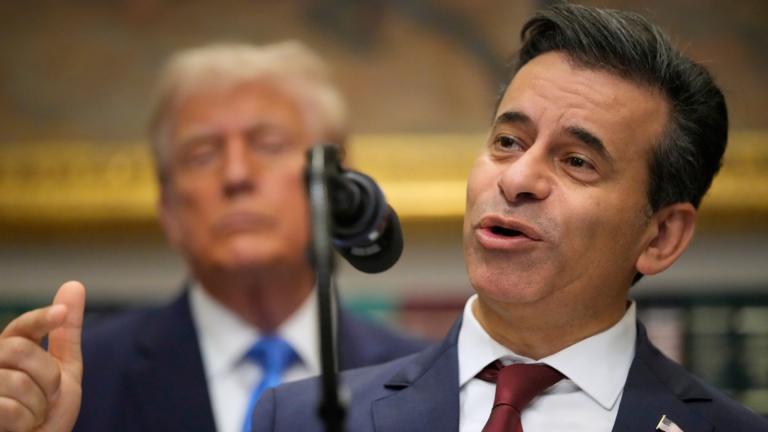
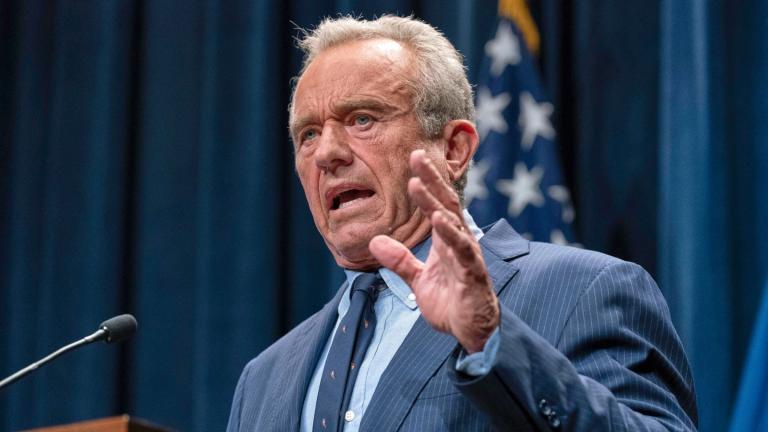
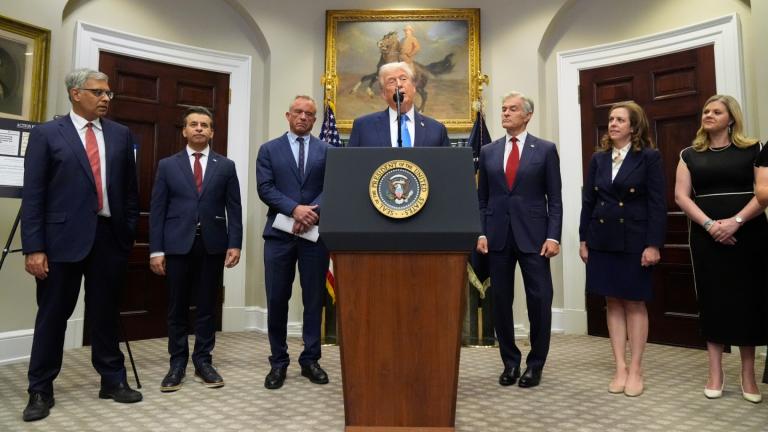
At a Monday news conference, President Donald Trump, joined by Health Secretary Robert F. Kennedy Jr., linked Tylenol use during pregnancy to rising autism rates in children. The president urged pregnant women to avoid the longtime household medicine and warned against giving it to infants.
The announcement has drawn sharp pushback from many in the scientific and medical communities, which dispute Trump’s claims.
The Trump administration cited three studies from Harvard University, Johns Hopkins and Mount Sinai, which found correlations between autism and Tylenol.
But researchers like Dr. Kirstin Rosseau, an assistant professor of psychiatry at the University of Chicago, have questioned how broadly the studies can be applied, emphasizing the distinction between correlation and causation.
“The issue is that there have been studies that have come out in both directions,” Rousseau said. “When we look at the ones where they do find a link, the studies are often underpowered. And then the other big issue with a lot of these, it’s methodology, methodological concerns or problems. So then we run into correlation versus causation.”
In the same vein, medical professionals are pumping the brakes on federal health officials’ push for an increased use of leucovorin — a promising but understudied drug sometimes prescribed to people with autism.
Leucovorin works by boosting folate levels in the brain, which some studies suggest may help with certain autism symptoms. Dr. Ayesha Cheema-Hasan, CEO and founder of Coralis Health, has prescribed the drug to patients but cautioned against viewing it as a catch-all.
“When I talk to families I discuss all the risks versus benefits for all the therapies that are available,” Cheema-Hasan said, “and as a group we come to a decision whether this would be beneficial for their specific child. We need more robust research. It doesn’t work for all.”
Calls for caution have extended beyond autism and leucovorin. Trump said Monday that there are “no downsides” for pregnant mothers who avoid Tylenol and that mothers should “tough out” symptoms like fever.
But many medical professionals warn that mothers who avoid Tylenol for fear of putting their child at an increased risk of autism may instead be putting their own health at risk.
Dr. Melissa Simon, the vice chair for research in the department of obstetrics and gynecology at Northwestern University, said Tylenol is a necessary pain reliever for pregnant mothers.
“Having a fever and just toughing it out is unacceptable in pregnancy,” Simon said, “and can lead to far more harm than taking Tylenol to relieve the fever. The same thing with pain, toughing it out — the president nor other people who are telling women who are pregnant should just tough it out with respect to fever and pain have not been pregnant. Tylenol is considered the safest over-the-counter choice when treating either a fever or pain.”
Simon also warned that conflicting messages from federal health officials could confuse patients and strain the doctor-patient relationship.
The Trump administration said it will continue to pursue research linking autism with Tylenol and encourage drugmakers to produce more leucovorin. The World Health Organization published a statement Wednesday contesting Trump, writing that there “is currently no conclusive scientific evidence confirming a possible link between autism and use of acetaminophen (Tylenol’s active ingredient).”